The Social Life of Fancy Rats
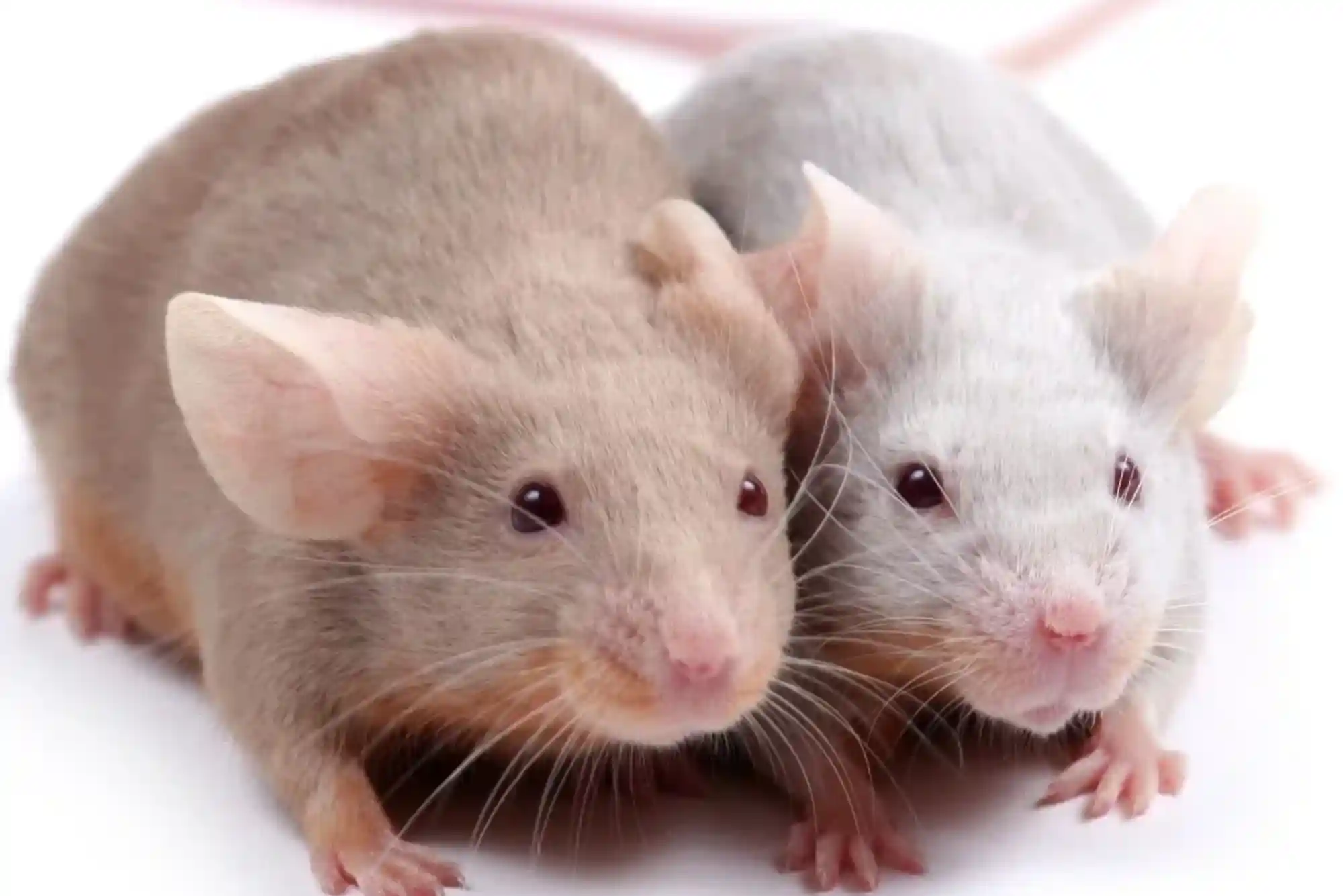
Rats are fiercely social animals that suffer in isolation. In the wild, they live in large, complex colonies where they groom, play, and sleep together. Keeping a single rat leads to severe loneliness and depression. Lonely rats often develop stress-related illnesses and abnormal behaviors like bar chewing. Therefore, adopting at least a pair of same-sex rats is non-negotiable for ethical pet ownership.
Bonded pairs keep each other mentally stimulated and emotionally secure. They groom hard-to-reach places on each other’s bodies. They also wrestle playfully, which helps burn off excess energy. Watching two rats interact adds endless entertainment to your daily routine. Introducing new rats requires a slow, careful process on neutral ground. Patience during the introduction phase pays off with a harmonious cage setup.
Understanding Rat Intelligence and Cognition
Many people underestimate just how smart these small rodents really are. Fancy rats possess problem-solving skills that rival dogs and cats. They can learn to navigate complex mazes with astonishing speed. Furthermore, they easily grasp clicker training, allowing you to teach them games and agility courses. Their high intelligence means they also get bored very quickly in barren cages.
Mental stimulation keeps pet rats happy and prevents destructive behaviors. You can challenge their minds using puzzle toys designed for small animals. Foraging toys make them work for their favorite treats just like they would in nature. Rotating their toys every week keeps their environment fresh and engaging. Spending out-of-cage time interacting with you further enriches their active minds.
Designing the Ultimate Rat Habitat
A proper enclosure acts as the foundation of good pet health. Fancy rats need a wire cage with tight bar spacing to prevent escapes. Vertical space matters tremendously because rats love to climb and explore heights. Avoid glass tanks or aquariums because they trap ammonia and restrict airflow. Poor ventilation quickly leads to severe respiratory infections in sensitive rat lungs.
Bedding choice plays a vital role in protecting their delicate respiratory systems. Never use pine or cedar shavings because their aromatic oils cause organ damage. Instead, opt for paper-based bedding or dust-free kiln-dried aspen chips. Fill the cage with plenty of hammocks, tunnels, and climbing ropes. Creating multiple cozy sleeping spots gives them a sense of security and comfort.


Nutrition and Diet Essentials
Providing a balanced diet ensures your pets live long, healthy lives. Commercial rat lab blocks or pellets should form the base of their meals. These blocks prevent selective feeding where rats pick out only their favorite sugary bits. Look for high-quality formulas that contain adequate protein and low fat. Free-feeding dry blocks ensures they always have access to essential nutrients.
Fresh foods supplement their main diet and provide wonderful mental enrichment. You can offer small portions of leafy greens, carrots, peas, and berries daily. Avoid citrus fruits, raw beans, chocolate, and sugary junk food entirely. Fresh, clean water must remain available in a heavy ceramic bowl or bottle at all times. Monitoring their food intake helps you catch early signs of dental or health issues.
Daily Health and Maintenance Routine
Maintaining a clean living environment protects your pets from common ailments. Spot-clean the cage daily by removing soiled bedding and leftover fresh food. Wash their water bottles and food bowls with warm, soapy water every single day. Perform a deep clean of the entire cage once a week using pet-safe cleaners. Regular cleaning prevents nasty ammonia buildups and keeps unpleasant odors away.
Health monitoring requires regular hands-on interaction during your daily playtime sessions. Gently check their skin, fur, eyes, and ears for any unusual changes. Listen closely to their breathing to ensure there are no clicking or wheezing sounds. Rats are prey animals that instinctively hide illness until it becomes severe. Establishing a relationship with an exotic veterinarian ensures prompt care when health issues arise.
Common Health Challenges in Fancy Rats
Respiratory infections rank as the most frequent health problem in pet rats. Mycoplasma pulmonis is a bacteria carried by most rats that flares up under stress. Symptoms include red discharge around the eyes and nose paired with heavy breathing. Prompt veterinary treatment with antibiotics usually manages these flare-ups very effectively. Keeping their cage clean and well-ventilated drastically reduces infection rates.
Tumors, particularly mammary tumors, occur frequently in older female rats. Spaying young females significantly lowers the risk of developing these specific growths later. Regular gentle handling helps you detect lumps early while they remain small and operable. Dental overgrowth also happens if they do not have enough items to chew. Providing wooden chew blocks keeps their constantly growing incisors worn down properly.
Bonding and Out-of-Cage Enrichment
Building trust with your fancy rats takes time, patience, and lots of treats. Start by letting them sniff your hand inside the enclosure without making sudden movements. Gradually entice them onto your lap using high-value treats like yogurt or baby food. Once they trust you, create a safe, rat-proofed play area outside their main cage. Block off dangerous gaps and cover electrical cords before letting them roam freely.
Out-of-cage time strengthens your bond and burns off extra physical energy. You can build simple obstacle courses using cardboard boxes and paper towel rolls. Many rats love riding around on their owner’s shoulders while watching television. Investing this daily time transforms timid babies into affectionate, confident little companions.
Frequently Asked Questions
What is the best cage size for two fancy rats?
A cage measuring at least 30 inches long, 18 inches wide, and 30 inches tall suits two rats. Larger cages are always better to accommodate multiple levels and toys.
Can male and female rats live together?
Unfixed males and females will breed rapidly, leading to unwanted litters. Keeping them together requires spaying or neutering all animals involved.
Do fancy rats need baths?
Rats groom themselves constantly like cats and rarely need actual baths. Bathing them strips natural oils from their skin unless medically necessary.
What foods are toxic to rats?
Chocolate, raw sweet potato, citrus fruit skin, green potatoes, onions, and garlic are toxic. Avoid feeding these items under any circumstances.
How long do fancy rats typically live?
Most fancy rats live between two to three years with proper care and nutrition. Cherish your time with them because their lifespans are relatively short.
Related Reading: دكتور جهاز هضمي – التشخيص، العلاج، وأهم النصائح لصحة الجهاز الهضمي