Introduction
Bumblefoot, medically known as pododermatitis, is a painful inflammatory condition affecting the feet. It commonly occurs in birds and can also affect guinea pigs. Bumblefoot (Pododermatitis) in Guinea Pigs and Birds: Treatment & Flooring requires attention to both medical care and the animal’s living environment.
The condition often begins with irritation, pressure, or a small injury on the foot. Over time, bacteria can enter damaged skin and cause infection. Hard, rough, wet, or dirty flooring can make the problem worse.
Fortunately, early treatment can improve comfort and reduce complications. Good hygiene, suitable flooring, weight management, and regular foot checks are also important. However, advanced cases may require professional veterinary treatment.
What Is Bumblefoot or Pododermatitis?
Pododermatitis means inflammation of the tissues on the underside of an animal’s foot. In birds, it is commonly called bumblefoot. Guinea pigs can develop similar foot inflammation, particularly when their feet experience constant pressure or poor environmental conditions.
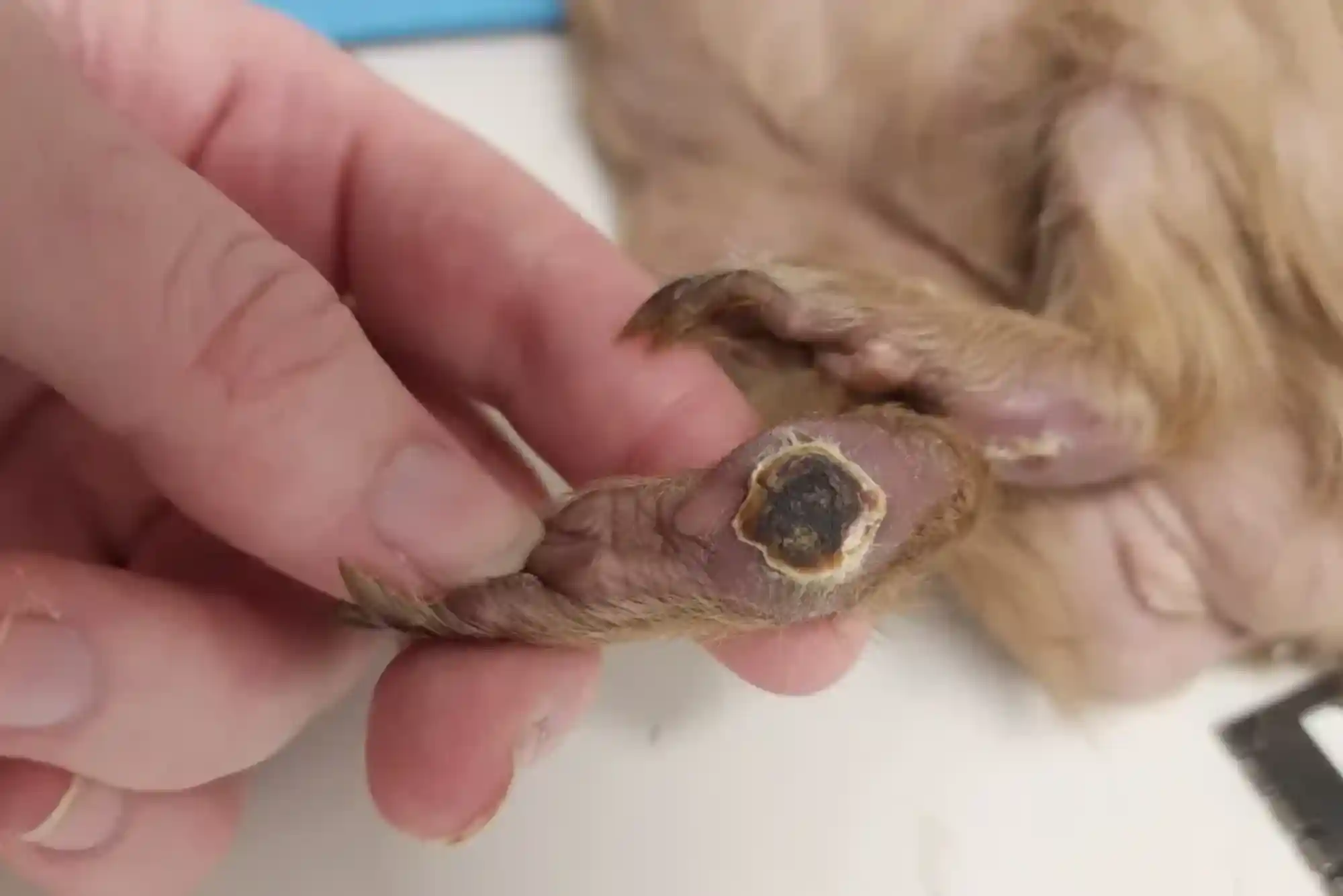
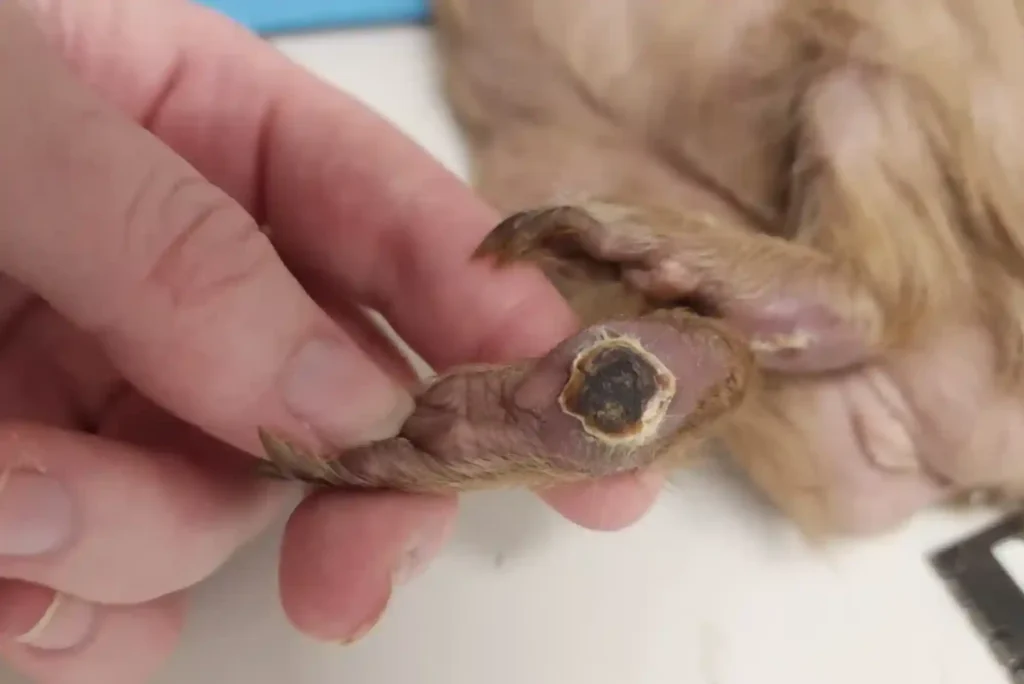
The condition may start as a small red area or sore. As inflammation progresses, the skin can become swollen, cracked, scabbed, or infected. Severe cases may involve deeper tissues.
Bumblefoot is not simply a cosmetic problem. Pain can affect how an animal walks, stands, eats, and behaves. Therefore, early recognition is extremely important.


Bumblefoot (Pododermatitis) in Guinea Pigs and Birds: Treatment & Flooring
The causes of bumblefoot vary between species. However, pressure, trauma, poor hygiene, and unsuitable flooring are common contributing factors.
Birds may spend many hours standing on perches. A perch that is too narrow, abrasive, or consistently shaped can place excessive pressure on particular areas of the foot.
Guinea pigs spend much of their lives walking across their enclosure floor. Rough surfaces, wire flooring, damp bedding, or dirty housing can irritate their feet.
Obesity can also increase pressure on the feet. Additionally, animals with mobility problems may place abnormal pressure on certain areas.
Poor nutrition may contribute to weak skin and slower healing. Vitamin deficiencies and other health problems can also increase vulnerability. Therefore, treatment should consider the animal’s overall health.
Signs of Bumblefoot in Birds
Bird owners should inspect their bird’s feet regularly. Early signs may be subtle, especially when feathers hide part of the leg or foot.
Affected feet may appear red, swollen, or irritated. Small scabs or darkened areas can develop on the underside. The bird may also shift its weight frequently.
As the condition progresses, the bird may avoid using one foot. It might sit more often, grip perches differently, or show discomfort while climbing.
In severe infections, swelling can become pronounced. Pus, tissue damage, or a deep wound may occur. Birds with these signs need prompt veterinary attention.
Signs of Bumblefoot in Guinea Pigs
Guinea pigs can develop foot problems that owners may initially mistake for minor irritation. Regular handling provides an opportunity to examine their feet.
Redness is often an early warning sign. Swelling, dry skin, crusting, hair loss, or small wounds can follow.
A guinea pig with painful feet may become less active. It may hesitate to walk or spend more time resting.
Changes in appetite can also occur when pain becomes significant. Guinea pigs should not be allowed to stop eating for prolonged periods. Reduced food intake can quickly become a serious health concern.
If the foot is swollen, bleeding, draining fluid, or visibly infected, veterinary examination is important.
How Is Bumblefoot Treated?
Treatment depends on the severity and cause of the condition. Mild irritation may improve after environmental problems are corrected. More advanced disease requires veterinary assessment.
The first priority is usually removing the source of continued irritation. Dirty bedding, abrasive surfaces, sharp objects, and unsuitable perches should be addressed.
The foot should remain clean and dry. However, owners should avoid aggressive scrubbing or picking at scabs. Damaged tissue can become more irritated and may bleed.
A veterinarian may recommend appropriate wound care. Depending on the infection, treatment can include topical medication or systemic antibiotics. Pain relief may also be necessary.
In advanced cases, deeper infection can affect tissues beneath the skin. Such cases may require diagnostic testing, specialized wound treatment, or surgical intervention.
Never use leftover antibiotics or human medications without veterinary guidance. Birds and guinea pigs have different drug sensitivities. Some medications that are relatively safe for one species can be dangerous for another.
The Importance of Proper Flooring
Flooring is one of the most important environmental factors in preventing pododermatitis. A comfortable surface reduces pressure and helps protect the skin.
For guinea pigs, solid flooring is generally preferable to wire or mesh floors. Their feet need a stable surface without sharp edges or excessive abrasion.
Soft, absorbent bedding can provide additional comfort. However, bedding must be kept dry and clean. Moisture combined with waste can irritate already sensitive skin.
Fleece systems can work well when properly maintained. They should remain dry and should be changed or cleaned frequently enough to prevent urine and fecal buildup.
For birds, cage flooring should be clean and dry. The bird should also have access to appropriately designed perches.
Perches should vary in diameter and texture when suitable for the species. This allows the bird to change foot position and reduces constant pressure on one location.
Sandpaper-style perch covers can be abrasive. They may create tiny injuries that increase the risk of infection. Natural branches with appropriate surfaces can often provide better variety.
Choosing Better Flooring for Guinea Pigs
A good guinea pig enclosure should provide a smooth, stable walking surface. It should not contain exposed wire, sharp edges, or rough materials.
Absorbent bedding helps keep the feet away from moisture. However, even excellent bedding becomes unsuitable when it remains wet.
Spot-cleaning should be performed regularly. Wet areas around water bottles and food dishes deserve particular attention.
The enclosure should also provide enough space for normal movement. Crowded housing can increase contact with waste and may limit the animal’s ability to avoid damp areas.
If a guinea pig already has pododermatitis, improving flooring is especially important. Medical treatment may fail if the original source of irritation remains.
Improving Perches for Birds
Bird feet experience pressure differently from guinea pig feet. Perches therefore deserve special attention when managing bumblefoot.
Using only one perch size can force pressure onto the same parts of the foot. A selection of safe perch diameters can encourage natural changes in grip.
The perch should not be excessively abrasive. It should also be free from splinters, sharp edges, and chemical contaminants.
Perches should be cleaned regularly. However, cleaning products must be thoroughly rinsed and should be appropriate for use around birds.
Birds also benefit from having enough cage space to move between perches. Constantly standing in one position can increase pressure on already irritated areas.
Can Bumblefoot Be Prevented?
Prevention is easier than treating advanced pododermatitis. Regular foot inspections can help owners identify problems before they become severe.
Clean housing is essential for both guinea pigs and birds. Moisture and waste should not remain against the feet for extended periods.
Weight should also be managed through an appropriate diet and adequate activity. Excess body weight increases mechanical pressure on the feet.
Nutrition matters as well. A balanced species-appropriate diet supports healthy skin, immune function, and tissue repair.
Owners should also examine the environment regularly. A broken enclosure component, rough perch, or damaged flooring can create repeated injuries.
When Should You See a Veterinarian?
A veterinarian should examine any animal with significant swelling, bleeding, discharge, deep wounds, or severe pain.
Professional care is particularly important when the animal stops using a foot. A worsening wound can indicate infection beneath the surface.
Birds can deteriorate quickly when they are seriously ill. Guinea pigs can also become vulnerable when pain causes them to eat less.
Early veterinary care can therefore prevent a relatively small foot problem from becoming a serious infection.
Can Bumblefoot Heal Completely?
Many cases can improve substantially when the underlying cause is corrected and appropriate treatment begins early.
Healing time varies according to the severity of the condition. A superficial irritation may improve relatively quickly. Deeper infections can take much longer.
The environment must remain supportive throughout recovery. Returning an animal to rough or contaminated flooring can cause repeated trauma.
Follow-up care is also important. A foot that looks better externally may still have underlying inflammation or infection.
Frequently Asked Questions
What is the fastest way to treat bumblefoot?
There is no single treatment that works for every case. Early veterinary assessment, clean housing, appropriate flooring, and proper wound care are important. Infection or deeper tissue involvement may require prescription treatment.
Can bumblefoot heal on its own?
Very mild irritation may improve after environmental problems are corrected. However, infected or worsening lesions should not be left untreated. Veterinary assessment is recommended when swelling, pain, discharge, or open wounds are present.
What flooring is best for guinea pigs with bumblefoot?
A clean, dry, solid, and comfortable surface is generally preferable. Soft absorbent bedding or a properly maintained fleece system can reduce irritation. Wet or abrasive flooring should be avoided.
What causes bumblefoot in birds?
Bumblefoot can develop from repeated pressure, foot injuries, poor perch design, obesity, inadequate hygiene, and other health or environmental factors. Several factors may occur together.
Are sandpaper perches good for birds?
Sandpaper surfaces can be abrasive and may damage the skin of the feet. Safer perch options with appropriate diameter and natural variation can help reduce repeated pressure and irritation.
How can I prevent bumblefoot from coming back?
Prevention involves controlling the original cause. Keep housing clean and dry, provide suitable flooring and perches, maintain a healthy body weight, and inspect the feet regularly.
Conclusion
Bumblefoot can become painful and serious when it is ignored. However, early recognition and proper environmental care can make a major difference.