Introduction
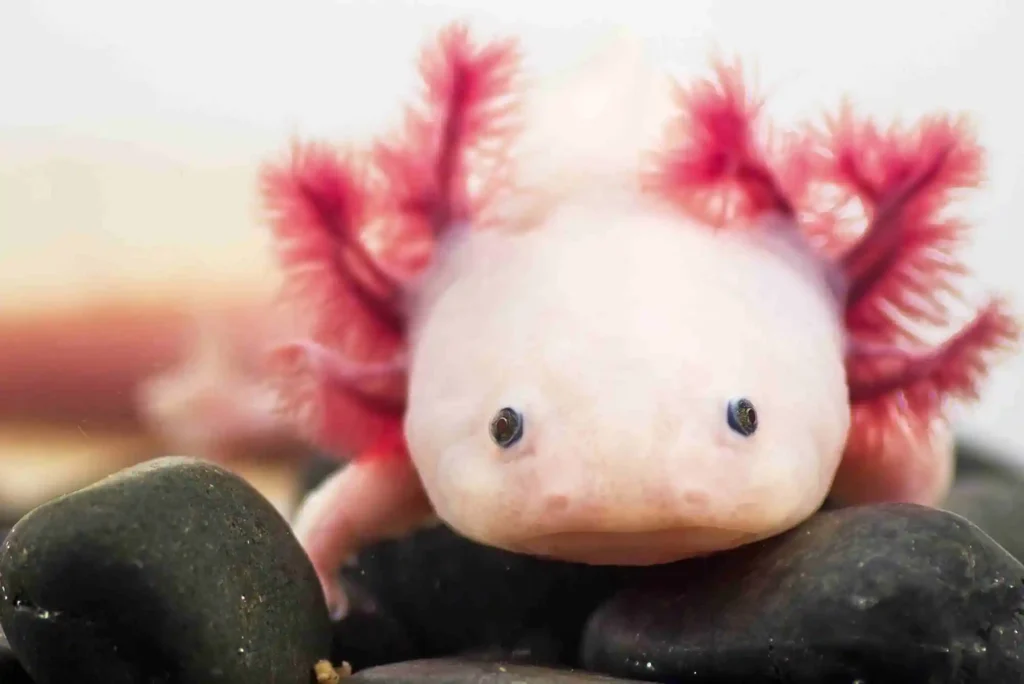
Keeping an axolotl healthy requires more than filling an aquarium with water. These aquatic salamanders need stable, cool temperatures, clean water, and a properly established biological filter. Therefore, understanding temperature control and aquarium cycling is essential for long-term axolotl care.
This Axolotl Care Guide: Water Chiller, Cold Temperature & Cycling Filter explains how to create a suitable aquatic environment. It covers water temperature, aquarium chillers, filtration, nitrogen cycling, water changes, and common maintenance mistakes.
Axolotls are particularly sensitive to warm water and poor water quality. For that reason, temperature management and biological filtration should be priorities from the beginning. A well-maintained aquarium can help reduce stress and support normal feeding, activity, and growth.
Understanding Axolotl Water Requirements
Axolotls naturally thrive in cool aquatic environments. Their metabolism and overall comfort can be affected when aquarium water becomes consistently warm. Unlike many tropical aquarium species, they do not need a heated tank.
A commonly recommended temperature range for axolotls is around 16–18°C. Slightly cooler conditions can also be tolerated, although sudden temperature changes should be avoided. Consistency matters because rapid changes can cause unnecessary stress.
Water that remains too warm can create additional problems. Higher temperatures can reduce dissolved oxygen and may encourage harmful microorganisms to multiply more rapidly. Therefore, keeping the aquarium cool is an important part of responsible axolotl care.


Axolotl Care Guide: Choosing the Right Water Chiller
An aquarium water chiller can be one of the most useful pieces of equipment for an axolotl tank. This is especially true in warm climates or rooms where temperatures regularly rise above the preferred range.
A chiller works by removing heat from aquarium water. It can maintain a much more stable temperature than temporary cooling methods. For example, adding frozen bottles may provide short-term relief, but it can cause temperature fluctuations as the ice melts.
When selecting a chiller, consider the aquarium’s water volume and the temperature of the room. A unit should have enough capacity to cool the entire aquarium efficiently. Oversized equipment may cost more initially, while an undersized chiller may struggle during hot weather.
Good ventilation around the chiller is also important. Aquarium equipment produces heat during operation, so placing the unit in a cramped cabinet can reduce efficiency. Always follow the manufacturer’s installation instructions.
Why Cold Temperature Matters for Axolotls
Temperature is one of the most important environmental factors in an axolotl aquarium. Cool water supports their natural physiological requirements and can help them remain comfortable.
When water becomes excessively warm, axolotls may become less active or show signs of stress. Prolonged exposure to unsuitable temperatures can also make maintaining good water quality more difficult.
However, colder does not always mean better. Extremely cold water can slow metabolism and activity significantly. The goal is stable, appropriate water rather than constantly lowering the temperature.
A reliable aquarium thermometer is therefore essential. Check the water regularly instead of relying only on the room temperature. Aquarium water can differ considerably from the surrounding air.
Axolotl Aquarium Cycling Explained
A cycling filter is another major part of successful axolotl care. Before introducing an axolotl, the aquarium should ideally complete a nitrogen cycle.
The nitrogen cycle is a biological process involving beneficial bacteria. These microorganisms convert toxic ammonia into nitrite and then convert nitrite into nitrate.
Ammonia is produced when organic material breaks down. Uneaten food, waste, and other decaying material can contribute to ammonia levels. In an established aquarium, beneficial bacteria help process these compounds.
A new aquarium does not immediately contain enough beneficial bacteria. Therefore, adding an axolotl before cycling is complete can expose it to dangerous ammonia and nitrite levels.
How to Cycle an Axolotl Filter
Cycling an aquarium requires patience. The filter needs time to develop a stable population of beneficial bacteria. During a fishless cycle, an ammonia source is introduced without keeping an animal in the aquarium.
Water should be tested regularly during the process. Initially, ammonia may rise. Nitrite then becomes detectable as ammonia-processing bacteria develop. Eventually, nitrate begins to appear as another group of bacteria becomes established.
The aquarium can be considered biologically ready when ammonia and nitrite are consistently processed within an appropriate testing period. Testing is much more reliable than simply waiting a fixed number of days.
Using a quality liquid test kit can make this process easier to monitor. Test results provide useful information about what is happening inside the aquarium rather than relying on appearance alone.
Selecting a Filter for an Axolotl Aquarium
Axolotls need filtration, but they generally do not appreciate strong water currents. Their natural behavior is better suited to relatively calm water.
A filter should therefore provide effective biological filtration without creating excessive flow. Sponge filters are popular because they provide biological surface area and relatively gentle water movement.
Other aquarium filters can also work when their output is adjusted appropriately. A spray bar, flow diffuser, or similar modification can help reduce excessive current.
The filter should remain operational continuously. Beneficial bacteria depend on oxygenated water moving through the filtration media. Turning the filter off for long periods can interfere with biological stability.
Water Changes and Axolotl Care
Even a mature biological filter does not eliminate the need for water changes. Nitrate and other dissolved substances can accumulate over time.
Regular partial water changes help maintain better water quality. The exact schedule depends on aquarium size, stocking, feeding habits, filtration, and test results.
New water should be treated with an appropriate water conditioner when necessary. Chlorine and chloramine found in treated tap water can harm aquatic organisms and beneficial bacteria.
Temperature differences should also be minimized. Adding significantly warmer or colder replacement water can create unnecessary environmental stress.
Avoid completely replacing all aquarium water during routine maintenance. Large changes can disturb water chemistry and reduce the stability of the aquarium’s biological environment.
Managing Water Flow and Oxygen
Good filtration does more than process waste. It also helps maintain oxygen exchange at the water’s surface. However, axolotl aquariums should not become turbulent.
If the filter creates a strong current, the axolotl may repeatedly struggle against the flow. This can make the animal uncomfortable and encourage it to remain in less active positions.
Adjusting the filter outlet can solve many flow problems. Positioning the output against aquarium glass or using a diffuser can make the current gentler.
Surface movement should still be sufficient for gas exchange. The objective is calm water with adequate oxygen rather than completely stagnant conditions.
Common Axolotl Care Mistakes
One common mistake is keeping an axolotl in water that is consistently too warm. Room temperature may appear comfortable to humans, but aquarium conditions can be unsuitable for a cold-water species.
Another mistake is adding an axolotl before the aquarium has completed its nitrogen cycle. Clear water does not necessarily mean safe water. Ammonia and nitrite are invisible, so testing is essential.
Overfeeding can create another problem. Uneaten food decomposes and adds organic waste to the aquarium. Feeding an appropriate amount helps reduce unnecessary pollution.
Cleaning all filter media under untreated tap water can also damage beneficial bacteria. When maintenance is needed, aquarium water removed during a water change can be used to gently rinse reusable biological media.
Creating a Stable Axolotl Environment
A successful axolotl aquarium is built around stability. Temperature, filtration, water chemistry, and maintenance should work together rather than being treated as separate concerns.
Use a dependable thermometer to monitor temperature. Test ammonia, nitrite, and nitrate regularly, particularly when establishing a new aquarium.
Keep the filter running consistently and avoid unnecessary disruption of biological media. If temperatures become difficult to control, an aquarium chiller can provide reliable long-term cooling.
It is also useful to observe the axolotl daily. Changes in appetite, activity, posture, or appearance can sometimes indicate environmental problems. Water testing should accompany observation because many water-quality issues cannot be detected visually.
Axolotl Care Guide: Water Chiller, Cold Temperature & Cycling Filter Maintenance
The central lesson of this Axolotl Care Guide: Water Chiller, Cold Temperature & Cycling Filter is that prevention is easier than correcting an unstable aquarium.
A suitable cold-water temperature should be maintained consistently. In warmer environments, a properly sized aquarium chiller can make temperature control considerably easier.
At the same time, biological filtration should be established before the axolotl enters the aquarium. The nitrogen cycle protects the animal by converting toxic ammonia and nitrite into less harmful nitrate.
Once the aquarium is established, regular testing and partial water changes help maintain stable conditions. Small, consistent maintenance tasks are generally easier than trying to correct serious water-quality problems later.
Frequently Asked Questions
What temperature is best for an axolotl?
Axolotls generally do well in cool water around 16–18°C. Stable temperatures are important, and prolonged exposure to excessive warmth should be avoided.
Do axolotls need a water chiller?
A water chiller is not required in every home. However, it can be extremely useful when room temperatures cause aquarium water to remain too warm.
How long does it take to cycle an axolotl tank?
The cycling process can take several weeks, depending on conditions and the bacterial population. Test ammonia, nitrite, and nitrate rather than relying on a fixed timetable.
Can axolotls live without a filter?
Long-term axolotl care generally benefits from biological filtration. A suitable filter helps process waste and maintain healthier water conditions.
What filter is best for an axolotl?
A filter that provides effective biological filtration with gentle water movement is usually appropriate. Sponge filters are commonly used because they can provide filtration without excessive current.
How often should axolotl water be changed?
Water changes should be based on water-testing results and aquarium conditions. Regular partial changes are generally preferable to infrequent, extremely large changes.
Is cold water good for axolotls?
Cool water is appropriate for axolotls, but extremely cold conditions are unnecessary. Stable temperatures within a suitable range are more important than simply making the water as cold as possible.
Conclusion
Proper axolotl care starts with a stable aquatic environment. Cool water, reliable filtration, and a completed nitrogen cycle provide the foundation for a healthy aquarium.